SCIENTIFIC DIVING COURSE
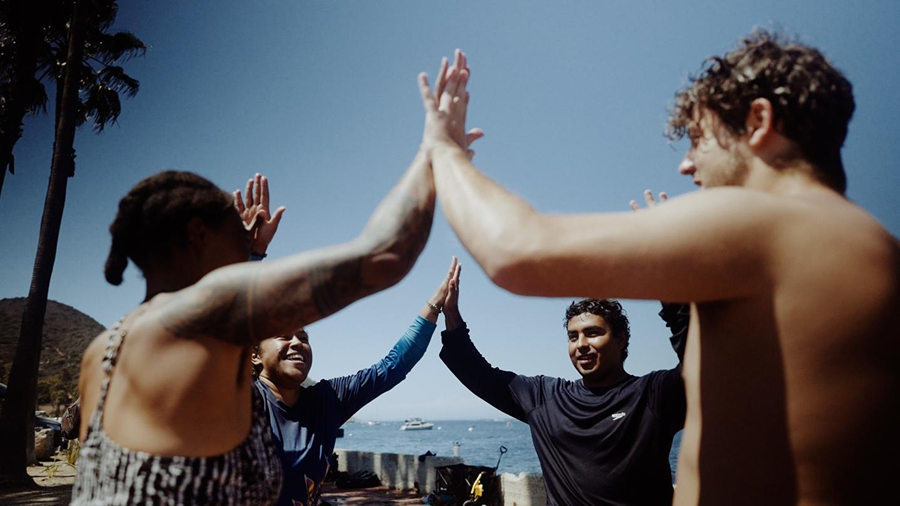
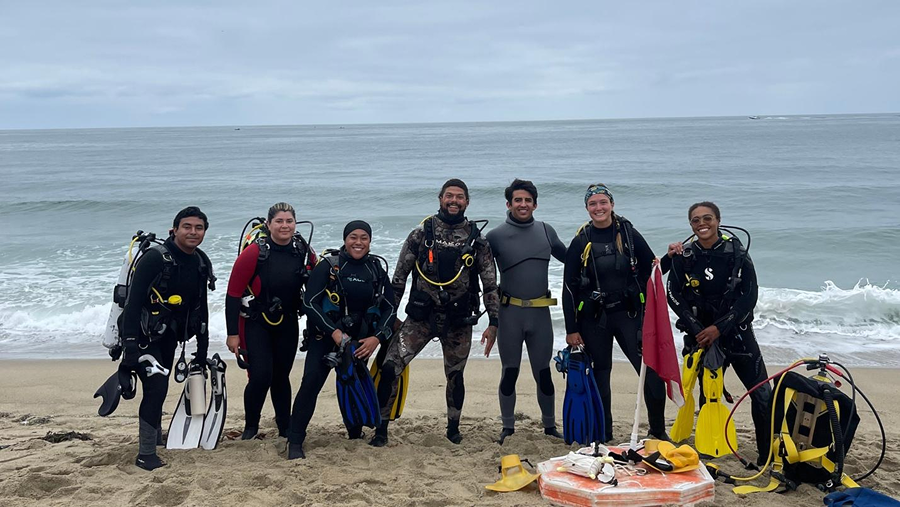
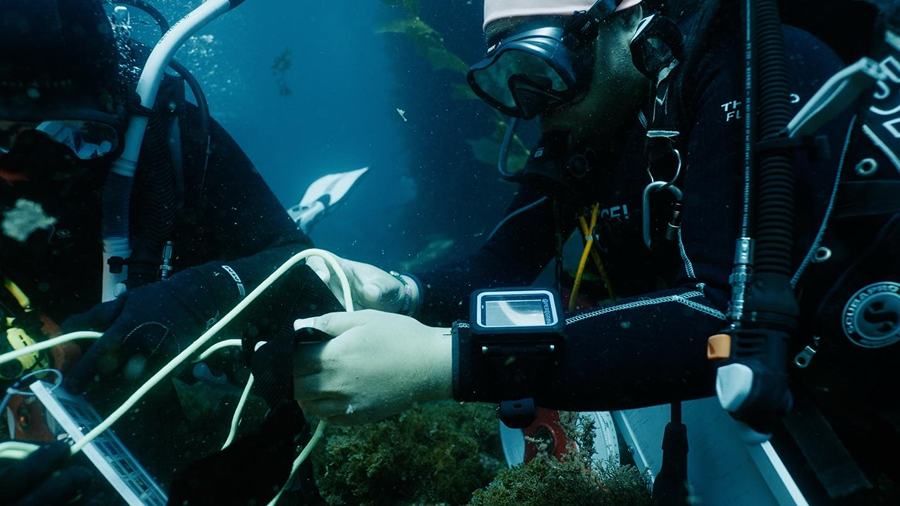
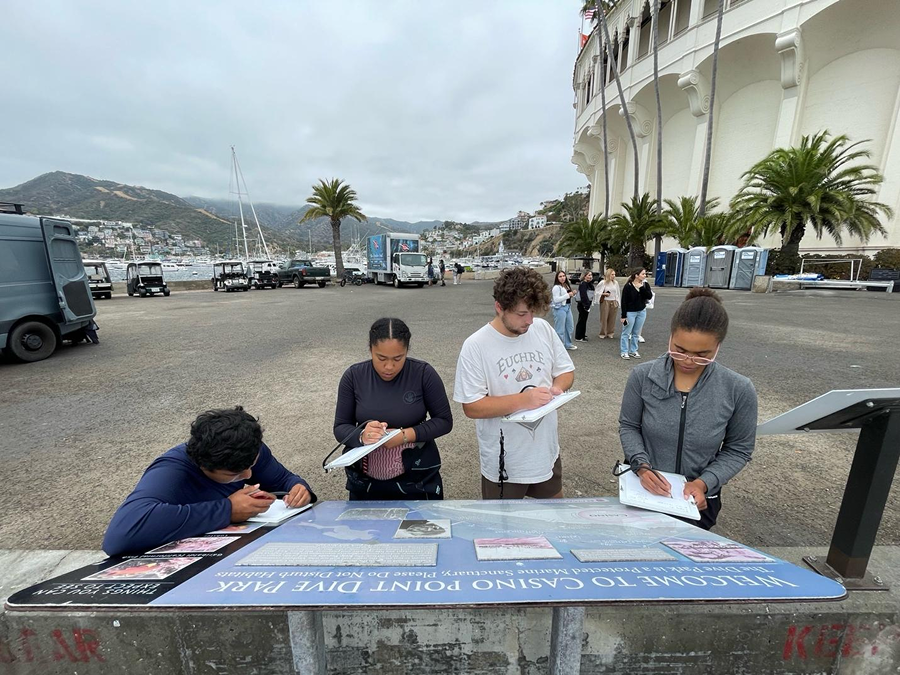
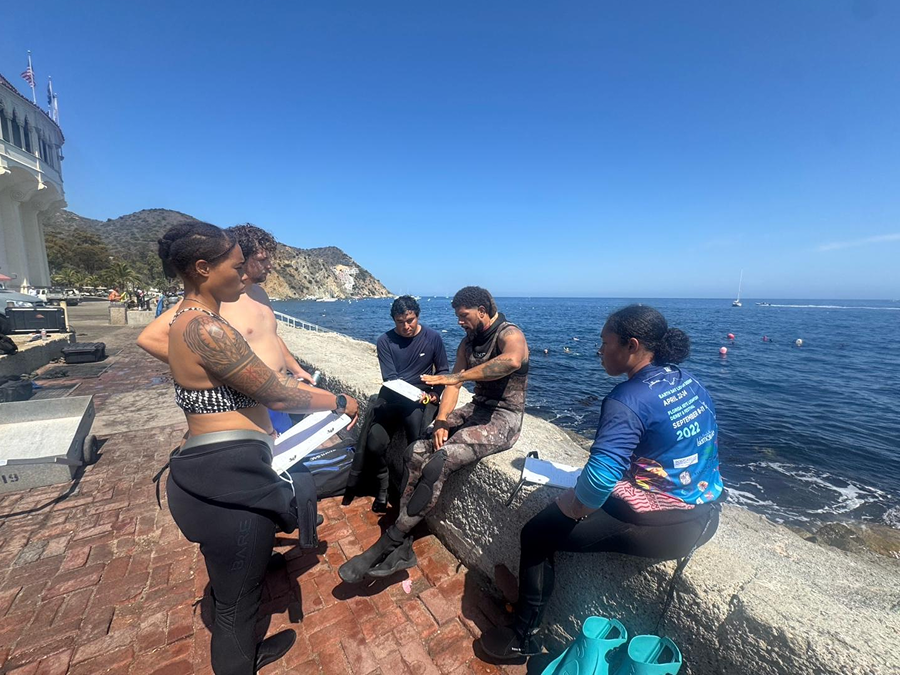
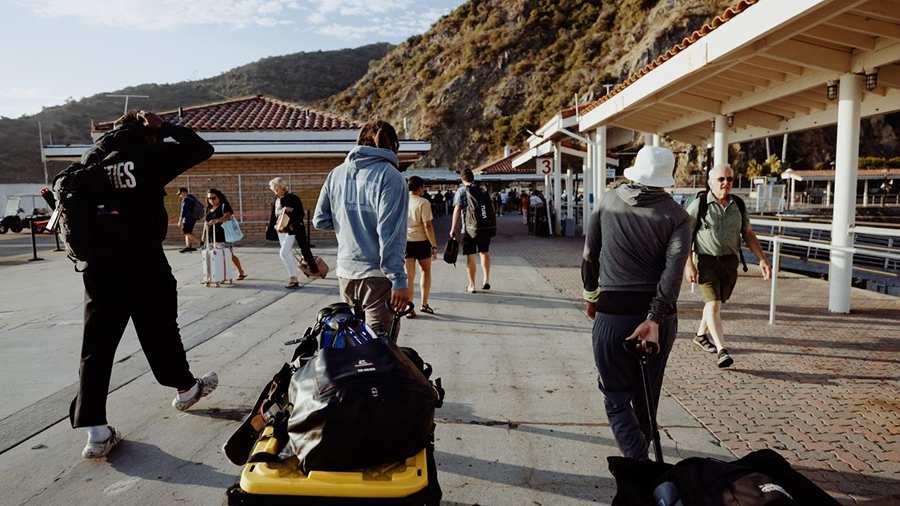
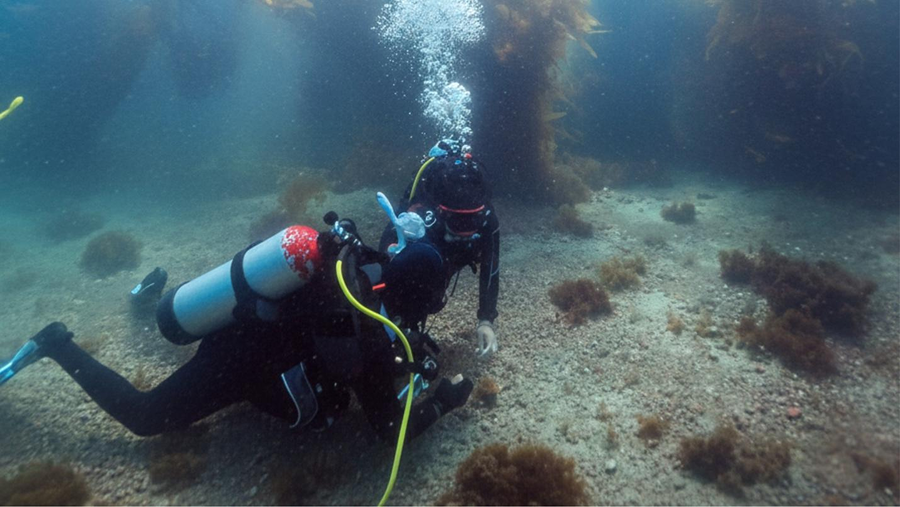
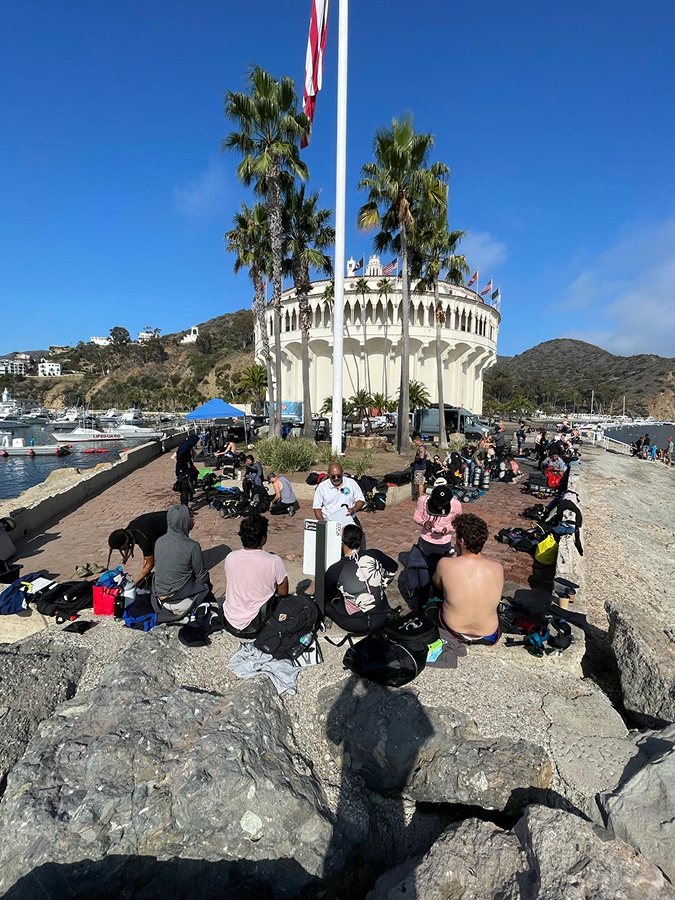
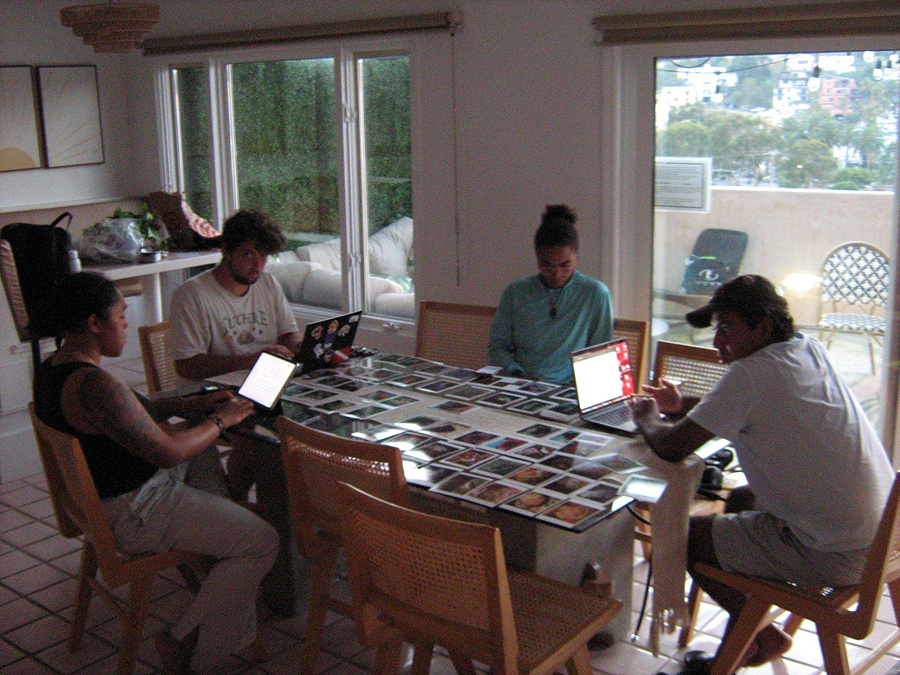
The Aquatic Futures Foundation’s Scientific Diving Course, supported by The Bay Foundation, is a fully funded 4-month program designed to provide participants with the essential resources to launch or accelerate their marine conservation careers.
The AAUS Scientific Diving Certification is the "gold standard" for underwater research, a credential recognized across academic institutions, research organizations, and marine conservation programs worldwide.
What's Included:
Three Professional SCUBA Certifications:
- PADI Advanced Open Water Certification
- PADI Rescue Diver Training
- Specialized AAUS (American Academy of Underwater Sciences) Scientific Diving Lectures, Surveys, and Techniques
Complete Program Support:
- All equipment and training materials provided
- Professional mentorship from experienced marine scientists
- Hands-on research project opportunities
Participants gain critical safety and emergency response capabilities essential for scientific fieldwork, intensive training in fish and invertebrate survey methodologies, and experience with standardized data collection protocols used in ecological research.
The Commitment: What to Expect
This program is as demanding as it is rewarding. Before applying, ensure you can commit to the following:
- 100 Hours of Intensive Training: To meet rigorous AAUS standards, you will undergo comprehensive theoretical and practical instruction.
- The Requirements: This program is designed for research-oriented undergraduates and early-stage graduate students dedicated to advancing ocean conservation. Applicants must also be physically and mentally fit and hold at least an Open Water SCUBA certification.
- The Schedule: To accommodate various life stages and careers, the bulk of in-person training occurs Friday through Sunday.
- The Timeline:
- April (Hybrid): Onboarding
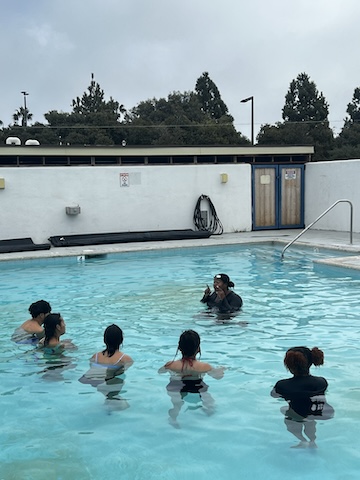
- May: Pool sessions, Advanced, and Rescue training focus,
- June–July: Scientific diving focus and The Bay Foundation onboarding.
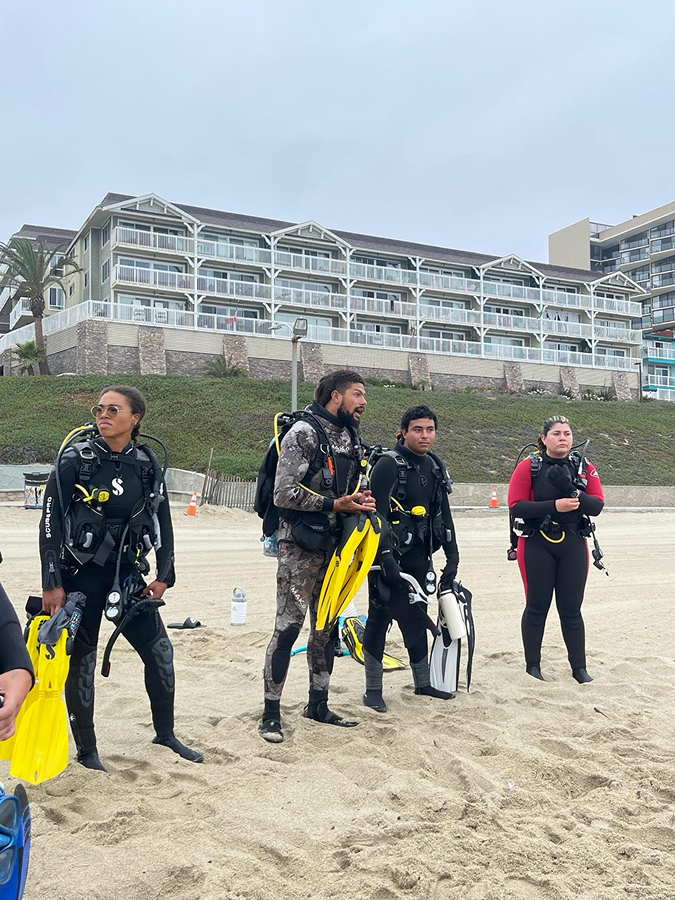
- The Location: Training takes place predominantly in San Pedro and South Los Angeles, with vital overnight components on Catalina Island.
Applications are now closed. Stay tuned for our next cohort in 2027
Beyond Certification: Building Your Network
Perhaps the most valuable aspect of this program extends beyond the technical skills. Participants become part of the marine science community, connecting with leading conservation organizations like the Bay Foundation, research institutions, and academic partners. These relationships often lead to internships, research positions, and career opportunities that would otherwise take years to access.
Foundational Skills Students Learn During the Training Includes
- Comprehensive Scuba Gear Training
- Dive Physics & Physiology Knowledge Review
- Advanced buoyancy control
- Emergency response protocols
Specialized Research Techniques
- Neutral buoyancy surveys for non-intrusive species monitoring
- Transect methodology for statistically valid data collection
- Night diving capabilities to study nocturnal marine behaviors
- Precision navigation for site mapping and long-term studies
- Scientific Equipment Training research and collection tools underwater
- Scientific methodology applied in underwater environment
Explore the Program: Watch our resources on our Instagram Page
.jpeg)